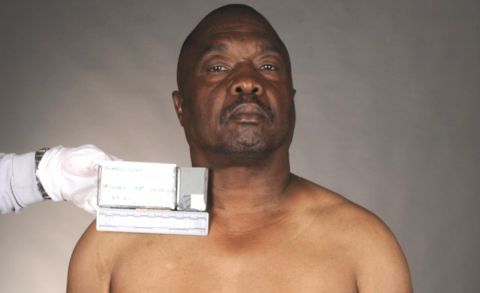
In this region of Los Angeles known as South Central, used to live a man called Lonnie Franklin who as his neighbours would admit was something of a rogue what with his car stealing business, but as the richest man in the area was someone they looked up to, regarding him as friendly and approachable above all. At least, that's what they told documentary filmmaker Nick Broomfield when he first interviewed them as vox pops on camera - nobody could believe this apparently decent family man could have been a serial killer. For that's what Franklin was arrested for, the murder of ten young women and the attempted murder of an eleventh, caught by chance thanks to his DNA around a quarter of a century after the killings began. Why has it taken so long to bring him in?
Of course, at the time this film was completed Franklin, nicknamed the Grim Sleeper thanks to police believing he had a long break between crimes, was still on trial, or maybe not even that as his lawyers fussed over details to prevent and delay the trial itself ever getting to the courtroom, but the evidence Broomfield amassed was damning to say the least, mostly because he was able to gain access to eye witness accounts the police were not, and there lay a major problem for this community. When a crime was committed against them, the locals were extremely reluctant to call the cops since they believed it would be more trouble than it was worth; the minute they started talking to them the questions would pile up about their own lifestyle and they would likely find themselves under suspicion.
This was the issue Broomfield returned to again and again, which by the end had worn the viewer down into agreeing with something they may well have agreed with in the first place, not repetitive exactly, more relentless, and certainly no walk in the park for those seeking entertainment. What you did feel was more enlightened as to the residents of South Central and their hopes and fears, especially the way the latter outweighed the former for the drug dependency and prostitution that paid for that addiction was a recurring theme; self respect was thin on the ground. Basically the populace there had found themselves stranded when the industry left the area decades ago, meaning a large amount of people with no jobs and no prospects.
Therefore with little meaningful to live for they became self-destructive, and the worrying thing was that not only were there all too many prepared to turn a blind eye to this, but there were others willing to encourage it, both in the community - the crack dealers, we are told, numbered far more employees than several major corporations put together - and in the authorities whose attitude according to the documentary was that this lot were hopeless and would never improve, black on black violence hardly counted it was so prevalent, so rounding up a quota for various crimes would have to do. Broomfield cannot offer any answers to the bone deep crisis there, but by discussing it with the locals he does suggest a step in the right direction would be to actually care a hell of a lot more for those who would appear to have no way out of their situation.
As usual with this director, he was the star as he wandered around microphone in hand and cameraman in tow, only here he appeared to have taken heed of the criticisms his technique had received down the years and in this case he was more content to take a back seat, or at least a supporting if guiding role, thereby allowing the personalities he encountered to flourish as they related their stories. There was the "four years sober" Pam who knew all too well about the atmosphere a serial killer could operate in with nobody bothering to stop him, there was the activist Margaret who is determined to prove even the lowliest crack-addicted prostitute had some moral worth to somebody, against the popular opinion, and there was Franklin's son who was mistakenly arrested for the murders instead of his father, on and on it goes, the potential amount of the deceased numbering a disturbing one hundred and eighty women the cops never sought to investigate fully, and were allowed by the community to disappear. The attitudes to disadvantaged women are sickening. Music by H. Scott Salinas.
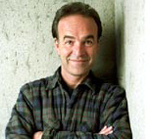
Pioneering British documentary-maker known for both the relentless pursuit of his subjects and his eagerness to put himself in his films. Broomfield's earliest films were observational documentaries covering such subjects as prostitution (Chicken Ranch), army life (Soldier Girls), and comedienne Lily Tomlin (Lily Tomlin). 1988's Driving Me Crazy introduced the style of film for which Broomfield would become famous, as he detailed his own failed attempts to film a musical.
Subsequent movies include two studies of serial killer Aileen Wuornos, the Spalding Gray monologue Monster in a Box, controversial Fetishes and a pair of documentaries on musical themes, Kurt & Courtney and the rap-exposé Biggie and Tupac. Broomfield has also made two forays into fictional film-making, with 1989's woeful thriller Diamond Skulls and 2006's true life immigration drama Ghosts. He returned to a true murder theme with Tales of the Grim Sleeper.