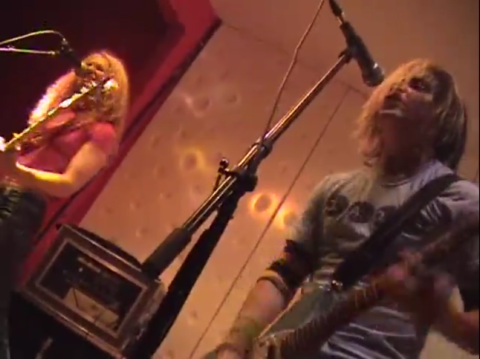
In 2002, there were a selection of disgruntled bands in Los Angeles who didn't feel they were part of the hipster scene and were certainly having trouble forking out the high prices required to play on the Sunset Strip, a place they saw as the Devil when it came to promoting rock, so what could they do about it? How about finding somewhere in the city away from the Strip which was affordable so they could amass their own following with the promise of cheap booze to draw the punters in? And so the Kiss or Kill scene began in a rundown corner called Mr. T's Bowling Allley, which was inexpensive and able to draw likeminded folks from around the area to create something legendary...
Or it would be legendary if more people had heard of it, because some of those bands may have secured record deals, but the Kiss or Kill phenomenon was something contained in a small region of the world which was not going to translate to the wider audiences around the globe. Naturally that sense of its fans having their own personal scene was much of the appeal, and that is assuredly put across in David Palamaro's documentary where you can feel the camaraderie among its patrons and musicians, which sadly translates into the mood of loss when it finally drew to an end around 2007.
In truth, most music crazes last about five years before they finally wind up and allow space for the next thing to come along, but since Kiss or Kill never broke really big, not even nationwide never mind into other countries, a tone of what might have been settles over the tale, and you can tell Palamaro is grateful that there were so many cameras around to capture what went down. You can also tell which bands were most popular by the footage: The Dollyrots have plenty of videos and even an advertisement to choose from, whereas someone like Midway, who seem genuinely offbeat and inventive, are relegated to the cramped shots at whatever venue the scene had moved to at that moment in time.
Indeed, what with all the interviews from as many of the major players and fans that he could assemble for his camera, the director did give the impression he could have made a ninety minute documentary last twice that length just so he could include yet more anecdotes. The pace is frenetic, flitting between interviewees in what are at times no more than soundbites, which may convey the energy of the movement but doesn't give much time to settle in and actually hear the music that was at the heart of it. Don't go seeking to hear whole songs in this, most are lucky to get thirty seconds for you to judge who was the most influenced by Green Day or Henry Rollins, maybe Babes in Toyland and so on.
Some of it sounds like pop punk, while other leans towards a more hardcore sound, but all of it has the necessary oomph, at least in the live clips, playing to adoring fans all drunk out their minds and finding a good time was coming oh so easily: you can see why by the end of the story the interviewees are positing this as the point they will look back on as the best in their lives, and it's testament to Palamaro that much of that translates to the viewer, whether they have felt that bond between fans and bands or not. It was telling that in the end credits the outtakes used to accompany them were still keeping up that party spirit, and you did want to hear more reminiscences in spite of the story closing, as was inevitable in apparently every music scene, with the joy sapped out of it, acrimonious splits and a few diehards hanging on in the hope the good times would return. The title, incidentally, referred to the song the core band Bang Sugar Bang would play at the end of each Kiss or Kill night, inviting the audience to sing along; that comradeship, that togetherness, if only for a while, was very well portrayed.