Bjorn Andreson was plucked from obscurity by Italian film director Luchino Visconti to star in his 1971 film of Thomas Mann's famed story Death in Venice: at fifteen years old, Bjorn was to play the young teenage boy who was the focus of the Dirk Bogarde character's obsession, though the director was keen to emphasise this was no mere lust he was portraying, but an aesthetic higher sense of purity he was defining. Bjorn was ordered about by the authoritarian Visconti, but the filmmaker was also ordering about his gay crew, saying nobody was to pursue the young boy, which they complied with. However, after being so careful for the entire shoot, after it was over they promptly took Bjorn to a gay club where he was drooled over by the clientele...
They were not the only ones drooling over the subject of this documentary, which takes a look at what happens after child stars experience a major success. Not all of them are a Shirley Temple or a Mara Wilson, there are all too many a Bobby Driscoll and Brad Renfro as well, and Bjorn sadly fitted more into their template of the burned out child celebrity than someone who made more of their lives. It is clear he believes Death in Venice to be the worst thing that could have happened to him, and it is also apparent the film he is in here is designed to make us shed a tear over his lost youth and damaged adulthood, yet while you feel sympathy for him, we were not really given enough information to fill in the blanks that often cropped up, which could be frustrating.
Indeed, we're not even sure Bjorn wanted to be part of this documentary, though he is game enough to be filmed going to Japan to meet his old representative there, and the manga artist who used his likeness as part of her oeuvre, including a girl who dresses as a boy to get into the Army. This is intriguing, and Andreson seems to be part of that seventies influence of Western idols to explode in the Far East, none of whom, apart from Mark Lester, enjoyed a particularly benevolent adulthood. Bjorn used alcohol and "pills" (we are not told what kind) to block out his fierce insecurities, which, again, led him to some very grim places, among them a spell in Paris as a "kept man" of an older homosexual, something he is plainly reluctant to talk about but which could have highlighted a whole new area of interest regarding the ownership fans feel over their favourites.
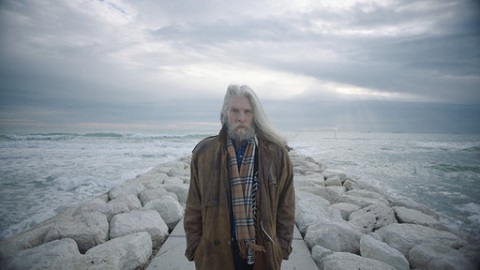
Instead, the misery continues, but we must do a lot of reading between the lines to attain any kind of bigger picture that all those shots of Bjorn staring into the middle distance on the beach don't really help with. If you come to this through Death in Venice, you may be disappointed to see that there was little very laudable about the project, and indeed from Bjorn's point of view it may have been dishonest: a celebration of male beauty that was instead a thinly veiled celebration of pederasty, with poor Bjorn as the potential catamite. Lay claim to all the classical education you want, after seeing this you will be less convinced by its purported aesthetics, therefore if you want to keep your illusions about the Visconti work, perhaps you would be better to steer clear of this and its portrait of the shattered, painfully thin and wildly bearded star as he was fifty years afterwards. But there are strong signs he would have been messed up anyway, judging by what happened to his mother and later, his baby, no matter what was left out, the melancholy is all over Andreson and this film.
[The Most Beautiful Boy in the World - released in cinemas 30th July 2021.




 Display comments