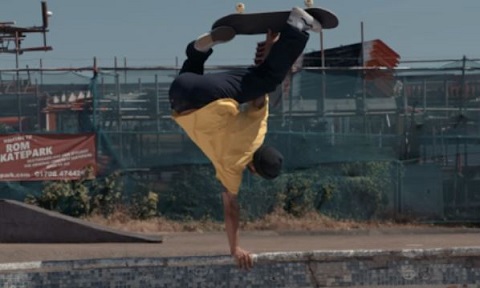
Skateboard culture was born from surfing culture in California, that you may know, but in the nineteen-seventies it exploded across the world as a phenomenon, and from those lowly beginnings a youth obsession was created, with skate parks being built in various locations globally. One of those was the Romford park in Hornchurch, which quickly became a fan favourite with its purpose built landscaping that emulated all the aspects an American park would want to provide, and it became a big draw for the skating community of the late seventies. But times would change, and around 1980 skateboarding popularity had fallen away dramatically, so why did this particular park manage to survive well into the twenty-first century?
Skateboard documentaries are not a rare genre, and in the age of DVD there were many an example released, often through specialist labels, though once streaming took off you would be more likely to see clips of the pastime online. Nevertheless, director Matt Harris believed there was a market for a proper film about the Rom Boys, as they were called, those daring young men on their flying skateboards, and being a one-time user of the park in question thought he was the man to pull this off. He patently did not have any trouble finding any interviewees, as the one hour and twenty minutes running time was basically wall-to-wall subjects interspersed with footage of their past exploits and more contemporary bits and pieces of their antics.
One nice touch was that Harris namechecked just about everyone he could, so names who would be familiar to Rom Boys old and new, as well as the more celebrated proponents of the sport, were littered throughout the clips: credit where credit was due. There was a lot nostalgia involved here, as you might expect, and there was some poignancy in those fiftysomethings explaining how skateboarding basically saved their lives as they could have drifted into drugs and crime and an early grave had this activity not given them a reason to go on in life. Indeed, every one of them had continued to do so at the time of filming, testament to some code or other that old skaters never die, they just carry on until... well, until they close down their local park. The Romford one achieved Grade 2 Listed status, which seems unlikely until it is explained here: there were skaters in the heritage society too.
We see vintage footage, taken on Super-8 film or later, video, of the park that illustrates how little it had changed, even if the clientele (you had to pay to get in, unusually) altered. The impact of E.T. the Extra-Terrestrial revived its fortunes as BMX became a sensation among eighties kids, and it was used as the ideal site for riding and stunts, though this rubbed up many skaters the wrong way, but guaranteed more income for the business which was not exactly flush with cash in the first place. When that sensation waned, the skaters returned, which brings us to the present, where troubled kids are taught to skateboard as a channel for their energy and a boost to their education: although there's a sense the doc was preaching to the choir throughout, you did come away with the impression this was a positive phenomenon that had helped a lot of young people, and now, a lot of older people too. It's only in the latter stages that the piece gets downbeat, with a fire seemingly sealing its fate, though it does conclude on a note of guarded optimism. Overall, skateboarders of a certain age will find this irresistible, and newcomers will be enlightened, if maybe not entirely converted unless they skate. Music by Fernando Martinez.