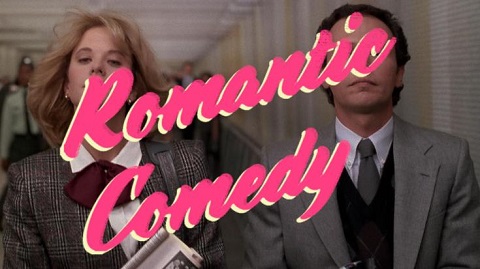
Writer and musician Elizabeth Sankey, of the band Summer Camp, has spent her life watching romantic comedies and considers herself an expert on the genre, but is she having mixed feelings about the subject? When she was a little girl, she built up her expectations of how her own romantic life would progress based on what she saw in romcoms: she would be swept off her feet by some Prince Charming, basically, and everything would end with a happily ever after wedding in white. But as she grew up, she began to notice clichés in these movies that were more than purest fantasy, they were actively lying to the audience about love, and depicting a very narrow range of characters to whom it happened to. So is there anything about romcoms to redeem them?
This may not be a new idea, as there have been those who realised the tropes of romantic comedy were at best, ridiculous and at worst, misrepresentation and damagingly unrealistic for some time, especially when they began to settle into the production line formula Hollywood studios - and not only those - peddled from the nineteen-nineties onwards. But in this essay documentary, it is undeniably satisfying to hear Sankey identify their flaws and subject them to a fairly rigorous analysis that did not involve some grumpy middle-aged male critic verbally rolling his eyes (is that possible?) for seventy-eight minutes at a genre he would never have liked anyway since they were not aimed at them, for she approached this from the position that these films were not a total dead loss.
Indeed, Sankey found positives in them once she had taken them down for their absurdities, since like any genre, when applied to a group which is not widely represented, or given a new spin on the clichés that were their bread and butter, they could be very enjoyable. You would not expect something like Failure to Launch to present a reality, but there were other examples which could be surprisingly observant about relationships, both as a source of humour and even as a perceptive commentary on the specifics of forging a romance. There was They Came Together, a romantic comedy from 2014 which spoofed the style too many of these had lapsed into so effectively that if it had been a hit, few would have tried it again, but when, for instance, Rebel Wilson made her takedown of romcoms Isn't It Romantic, she was forced to change the unsentimental ending to a more schmaltzy one by test audience results.
This suggests that far from the likes of Sankey offering up a worthwhile critique, many fans of the genre were perfectly happy with the way they reinforced all sorts of stereotypes, which left the more adventurous examples, like Going the Distance which did not fit those, or All About Steve which went to extremes not to have its heroine conform, out in the cold – and that was just the hetero, white, Western movies. Although there is only so much time Sankey had at her disposal, and the long history of romcoms was glossed over somewhat to get to the doc's most recent twenty years or so, there were some areas that could have been further explored: there's no mention of Bollywood at all, a whole industry that thrived on romantic clichés, and Pretty Woman, arguably one of the most problematic romcoms of the lot, was merely given a brief clip at the beginning. It was refreshing to see the passive aggressive 500 Days of Summer being judged lacking, however. But the doc does offer instances of romance done right and suggests films to investigate where the techniques were adapted to work you might not expect; as a conversation starter, it was valuable. Music (songs, too) by Sankey and Jeremy Warmsley.