| |
Overlanders, The
|
|
| Year: |
1946
|
|
Director: |
Harry Watt
|
| Stars: |
Chips Rafferty, John Nugent Hayward, Daphne Campbell, Jean Blue, Helen Grieve, John Fernside, Peter Pagan, Frank Ransome, Stan Tolhurst, Marshall Crosby, John Fegan, Clyde Combo, Henry Murdoch
|
| Genre: |
Western, Drama, Adventure |
| Rating: |
  6 (from 1 vote) 6 (from 1 vote) |
| Review: |
Australia in 1942, and the fear is that Japan will invade the Northern Territory, so drastic action must be taken. Although the white population numbers a mere five thousand, the number of cattle is far more as farming is the prevailing occupation in that region, and the Government have decided that to make sure the Japanese get none of their resources, the animals must be slaughtered and their carcasses burned. But not everyone is happy about this as a preventative measure, and cattleman Dan McAlpine (Chips Rafferty) is one of them: he believes the cows can be saved, though to do so would involve driving hundreds of them across the continent in a potentially very dangerous operation with no guarantee of success. But Dan is convinced, and convinces the authorities too...
As the opening credits tell us, The Overlanders was based on a true story, though none of the actual people who took part in the cattle drive were depicted in this fictionalised version of an event that, it turned out, was unnecessary as the Japanese did not invade Australia. Still, this film had been in production from Britain's Ealing Studios since the war had been underway, and though it was over by the point of release, it was a huge hit in Australia, partly because of the novelty of watching a project from their own homeland, and made a star of Rafferty who became something of an iconic presence in that nation's films. Since they were looking for homegrown heroes, Rafferty fit the bill as an unpretentious, down to earth but endlessly capable representative of the national character.
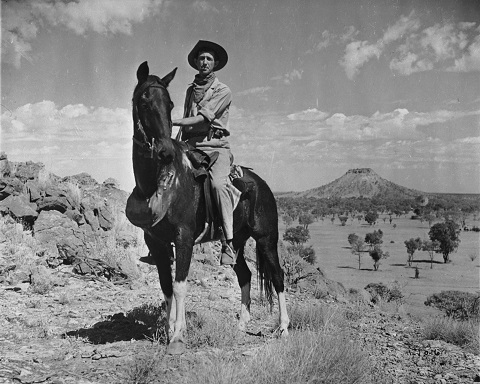
In Britain, as with many places around the globe, Westerns out of Hollywood were the most popular form of entertainment as far as movies went (but other media like books as well), yet making that genre outside of America was not going to be too impressive as far as emulating their success went - this was a couple of decades before Europeans, like the Italians, found their Westerns becoming very popular indeed. One solution for Ealing was to set up shop in Australia, where there were plenty of plains and deserts all the better to recreate the mood of the prairie which would not have been possible in Britain, and the films they made there were essentially Westerns in all but name. Just look at the imagery of The Overlanders and you would see men riding around on horseback - women, too - baking hot weather, acres upon acres of frontier territory, all the trappings of the American genre, basically.
Yet Australia, while having things in common with the United States, also has differences, and it was important to render the particular personality and characteristics of the land in those Ealing films, despite them being made with British talent - the director here, Harry Watt, had been chosen because of his documentary experience in Africa, which was considered close enough to Oz to make the most of his experience. Visually, he packed in as much of the landscape as he could, and though his cast were of varying levels of competence as far as acting went, they came across as authentic, as did almost everything here. The plot was essentially one damn thing after another as the cattle are placed in peril, and in fact so are some of the cattlemen, with the danger of running out of water, falling off cliffs and so forth the sort of issues they were facing. There was even space for romance, as Scottish sailor Peter Pagan gets to know cattlewoman Daphne Campbell, a former beauty queen in her only film role, but it was the environment you would take away from The Overlanders, no matter how monotonous the storyline threatened to become. Music by John Ireland (not the actor).
[Technically, this is a British film, hence Network releasing it on Blu-ray under their The British Film label. An image gallery is the extra.]
|
| Reviewer: |
Graeme Clark
|
| |
|
|


