| |
Victoria the Great
|
|
| Year: |
1937
|
|
Director: |
Herbert Wilcox
|
| Stars: |
Anna Neagle, Anton Walbrook, Walter Rilla, H.B. Warner, Mary Morris, James Dale, Felix Aylmer, Charles Carson, Gordon McLeod, C.V. France, Arthur Young, Grete Wegener, Paul Leyssac, Derrick de Marney, Hugh Miller, Miles Malleson, Moore Marriott
|
| Genre: |
Historical, Biopic |
| Rating: |
  6 (from 1 vote) 6 (from 1 vote) |
| Review: |
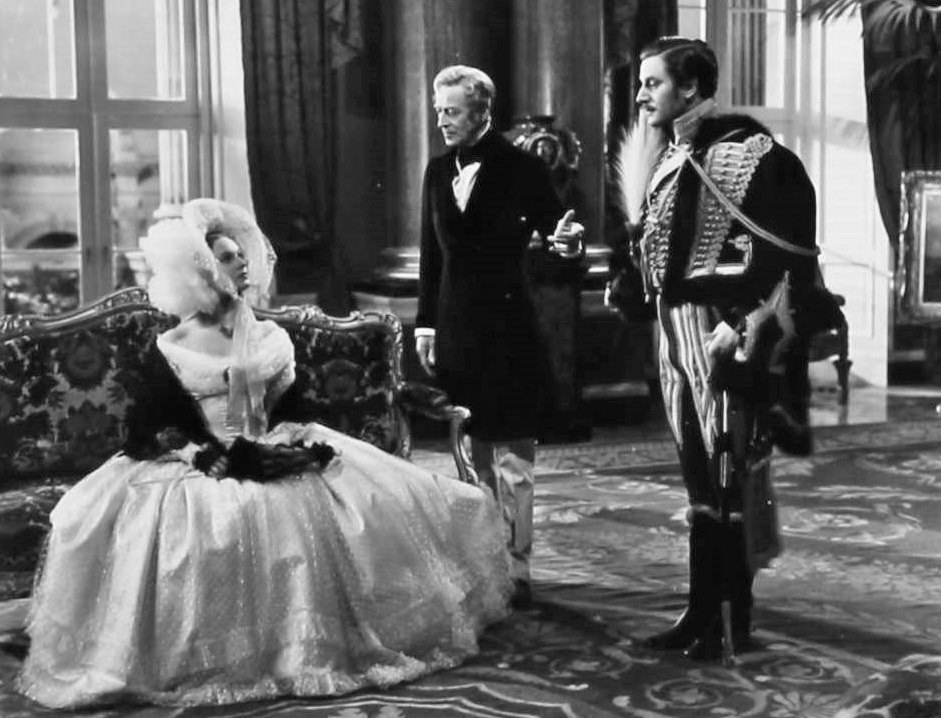
King William IV has died without a direct heir, so it is up to the Archbishop of Canterbury and the Lord Chamberlain to visit the palace where eighteen-year-old Victoria (Anna Neagle) lives and break the news to her that she is the new Monarch of the United Kingdom. When they arrive, her mother the Duchess of Kent (Mary Morris) insists on being told everything that is to happen, judging herself to be the main agency in her daughter's life, but the two men inform her what they have to say is for Victoria's ears alone. She knows what this means: she must have her own will as the ruler of the Empire, and be a strong figurehead with her own views and commands...
Would you like this Damehood, Anna? For services to playing Queen Victoria? Well, Judi Dench got one, so there was a precedent for actresses playing royalty to be awarded with the highest accolade the country could give her, and for many her role as a Queen was her defining one. It was certainly one of her biggest hits, including in the United States of America where films depicting British royals always went down well, but once you have fixed your public image as at one with the Queen (or indeed King), you become, if not royalty yourself, then as good as, sort of an unofficial member of the upper classes at least. This assisted Neagle in her journey to superstardom.
That said, her films are not often revived now, no matter how massive a deal they were when she was at the height of her celebrity, and much of that has you wondering how far heritage cinema that came later will endure: wouldn't audiences prefer a good car chase instead? However, there are always those who appreciate a historical effort, even if it's to point out the flaws in the accuracy of the material, and as a result there remains an interest even in the historical stories dreamt up by the likes of Neagle and her husband and creative partner Herbert Wilcox, who directed almost all her films, or all the ones that saw audiences flocking to watch her at their local fleapits.
In 1937 when this was released, the reign of Queen Victoria was still within living memory, at least for the older members of the public, so a film celebrating the centenary of her ascension to the throne was going to have a built-in fascination, especially when the royals were often a matter of censorship in their portrayals for fear of offending... well, offending the Royals. To take an example contemporary to this production, filmmakers would never dream of depicting the Edward and Mrs Simpson saga on celluloid, despite the enormous interest in the matter, it was simply too controversial, and that could be regarded a relevant in another way, for Victoria famously married a German Prince, and Edward was very keen on the Nazis, which behind the scenes was creating controversy.
Therefore to have a film that showed a sympathetic German character so prominently could have gone horribly wrong, but the production was canny: they cast Anton Walbrook. He was an Austro-German star much-respected by the British, and indeed world's, moviegoers, and had taken a strong anti-Nazi stance - they were the reason he was in Britain, having fled the despotic regime in fear of his life, effectively making him a refugee at a time when they were not always welcome. Therefore Victoria the Great, while making great play of showing history, or as close as they could render it anyway, was carefully marking out a difficult situation, which amounted to informing the soon-to-be-Allied forces, "Nazis are bad - but not all Germans are Nazis". Walbrook and Neagle made a very fine screen couple, conveying their affection but also their intellect, Albert being a bookish sort keen to learn about his new duties, and Victoria with her own hardheaded opinions on making her country fairer and less harsh for the poor. You may observe this was rose tinted, but it was not as stuffy as you might anticipate, even if the unabashed patriotism it was steeped in looks over the top now, particularly in the colour finale. Music by Anthony Collins (lots of God Save the Queen).
[Network have restored this on Blu-ray as part of their The British Film project. An image gallery is the sole extra, though subtitles are included. The sequel, Sixty Glorious Years, is also available]
|
| Reviewer: |
Graeme Clark
|
| |
|
|


