Alan Rudolph’s surreally stylised crime thriller opens with ex-cop, Hawk (Kris Kristofferson) released from prison after serving eight years for killing a mob boss. Returning to the fictional town of Rain City, Hawk takes a room behind the café run by his old flame, Wanda (Geneviève Bujold), but is soon drawn to Georgia (Lori Singer), newly arrived in town with a newborn baby and no-good boyfriend, Coop (Keith Carradine). Desperate for money, Georgia takes a waitressing job at Wanda’s place, while Coop is drawn into a life of petty crime by a shady friend (Joe Morton). When the inept thugs cross powerful crime lord Hilly Blue (Divine), Georgia appeals to Hawk for help.
In one of the more memorable cult movies from the 1980s, Rudolph melds his film noir plot with a retro-forties/sci-fi/punk rock look that was popular amidst music videos of the time, but not without precedent. William Asher’s Johnny Cool (1963) and John Frankenheimer’s 99 & 44/100% Dead (1974) took a similarly, super-stylised comic book approach, twisting relatively straightforward thriller fare into bizarre parallel worlds. Here, Rudolph conjures a strange, alternate reality where G.I.s hang around Wanda’s café as if WW2 were still on; hardboiled dames and greasy gangsters spout typically noirish, epigrammatic dialogue; protestors and armed troops prowl the streets; and New Wave poseurs bark Japanese and model hideous Eighties hairdos. It remains hard to discern whether all this is merely strangeness for strangeness’ sake, or an attempt perhaps to parallel two eras of blue collar strife.
What prevents this lapsing into self-conscious camp is the engrossing story which Rudolph crafts like a slice of American mythology. Classic themes like love, crime, loyalty and redemption resonate within any milieu, and Rudolph draws beguiling characterizations from Geneviève Bujold as the jaded girlfriend with a heart of gold, Lori Singer as an alluring innocent, and Joe Morton as a well-read sociopath. Fans of “what the heck?” casting will undoubtedly relish seeing John Waters’ favourite, Divine as a camp crime lord, a lisping nihilist who seemingly takes a dim view of everyone and everything. Kristofferson enjoys one his better roles as a flawed hero, alternately lecherous and chivalrous in a role one could easily imagine Kirk Douglas playing in a more conventional thriller, forty years prior to this.
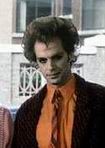
Shot in Seattle, this takes the Alphaville (1965) approach of teasing futuristic details out of everyday surroundings. The moment a desolate Georgia abandons her baby, only to have second thoughts too late briefly tugs at the heartstrings, but ranks among several poetic moments shunted aside for admittedly winning gags: Hilly’s tendency to drown men in their own cars; the violinist who follows him around wherever he goes; the showdown where Coop blithely walks through a gangland shootout without getting hit; and his slow metamorphosis from country bumpkin into a cross between David Bowie and the Frankenstein Monster. Mark Isham’s saxophone and electronica led score provides fine accompaniment for the dreamy, ambient visuals, engaging enough to stop us wandering what the heck this is all about.
One of those films I wish I liked more. It has everything you mention in place to make it a cult classic, but somehow falls flat, feels empty and overly staged. I thought Rudolph did this kind of thing better in Equinox, and that was no masterpiece either.
Posted by:
Andrew Pragasam
Date:
9 Sep 2008
Despite its many problems, I'm more fond of Rudolph's fantasy-romance Made In Heaven.




 Display comments